
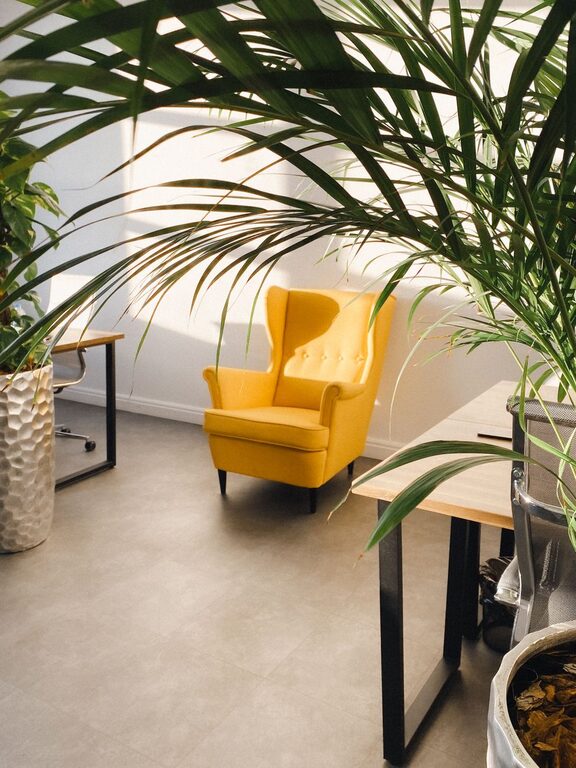
Creating a cozy and inviting home workspace can make a big difference in your daily work routine. Whether you’re working from home full-time or just need a dedicated spot for occasional tasks, a comfortable and pleasant environment helps you stay focused and motivated. In this post, we’ll share practical tips to transform your home workspace into a warm and welcoming place that encourages productivity and relaxation.
Why a Cozy Workspace Matters
A positive work environment affects both your mood and efficiency. When your workspace feels inviting, you’re more likely to enjoy your work, reduce stress, and maintain better concentration. Comfort and good design don’t need to be expensive or complicated—they simply require some thoughtful planning.
1. Choose the Right Location
Start by selecting a quiet, well-lit spot that suits your work style.
– Natural Light: Position your desk near a window if possible. Natural light improves your mood and reduces eye strain.
– Minimal Distractions: Pick a corner away from noisy areas and high-traffic spots in your home.
– Adequate Space: Make sure you have enough room for your computer, paperwork, and any tools you use regularly.
2. Invest in Comfortable Seating
Comfortable seating supports good posture and keeps you from feeling fatigued.
– Ergonomic Chair: Choose a chair with adjustable height, lumbar support, and cushioned seating.
– Add Cushions or Throws: Personal touches like a soft pillow or a cozy throw blanket can make your chair more inviting.
– Footrest Option: Consider a footrest if your feet don’t comfortably reach the floor.
3. Personalize Your Workspace
Adding personal touches makes your workspace feel uniquely yours, which creates a warm atmosphere.
– Photos and Artwork: Display favorite photos, inspirational quotes, or artwork that brings you joy.
– Plants: Incorporate small indoor plants. They add color, improve air quality, and promote calmness.
– Decorative Items: Use items like candles, decorative storage boxes, or a stylish desk lamp.
4. Keep It Organized
Clutter can disrupt your focus, so maintain an orderly space to enhance productivity.
– Storage Solutions: Use shelves, filing cabinets, or desk organizers to keep supplies neatly stored.
– Cable Management: Use clips or cable sleeves to keep cords tidy and out of sight.
– Daily Reset: Spend a few minutes at the end of each day tidying your workspace.
5. Set Up Proper Lighting
Good lighting is essential for comfort and concentration.
– Layered Lighting: Combine natural light, overhead lighting, and task lighting for flexibility.
– Desk Lamp: Choose a lamp with adjustable brightness and direction to reduce glare.
– Warm Bulbs: Opt for soft white or warm-colored bulbs to create a cozy atmosphere.
6. Incorporate Soothing Colors
Colors influence your mood and energy levels.
– Choose Calming Hues: Soft blues, greens, and neutrals help create a relaxing environment.
– Accent Colors: Use brighter colors sparingly to add energy and focus.
– Consistency: Keep color schemes consistent across furniture and accessories.
7. Manage Noise Levels
Sound can be distracting, so consider ways to control noise.
– Noise-Canceling Headphones: Useful if you can’t control environmental noise.
– Soft Textiles: Rugs, curtains, and cushions absorb sound and reduce echoes.
– White Noise Machine: This can help mask background noise and create a calm soundscape.
8. Make It Flexible
A versatile workspace adapts to your changing needs.
– Adjustable Desk: Consider a desk that can switch between sitting and standing positions.
– Multipurpose Furniture: Use pieces that serve more than one function, like a storage ottoman.
– Mobile Setup: Use a laptop stand or portable desk for times you want to work in a different room.
9. Add Inspiring Scents
Scent impacts your mood and can make your space more inviting.
– Essential Oils: Use a diffuser with oils like lavender or peppermint.
– Scented Candles: Choose calming or energizing scents depending on your preference.
– Fresh Air: Don’t forget to open your windows occasionally to let in fresh air.
10. Prioritize Your Well-being
Finally, remember to design a workspace that supports your health and happiness.
– Take Breaks: Set reminders to step away and stretch regularly.
– Hydrate and Snack: Keep water and healthy snacks nearby.
– Limit Screen Glare: Position your screen to avoid reflections and eye strain.
—
By following these tips, you can create a home workspace that’s not only functional but also cozy and inspiring. A well-designed space supports your best work and makes your daily routine more enjoyable. Start small, add personal touches, and watch your workspace become a place you look forward to every day.