
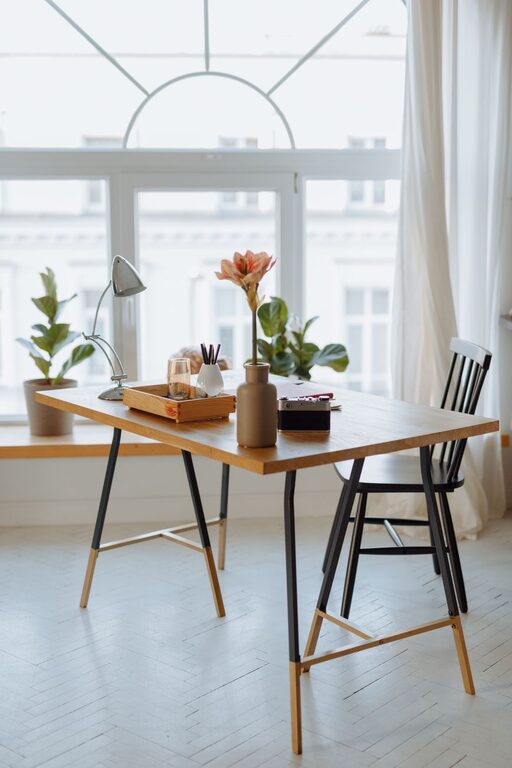
Creating a home office that is both cozy and functional can make a significant difference in your productivity and overall work experience. Whether you have a dedicated room or a small corner, designing a space that feels inviting yet efficient is key. In this post, we’ll explore tips to help you set up a home office that balances comfort with purpose.
1. Choose the Right Location
Selecting the ideal spot for your home office is the first step. Consider these factors when deciding where to work:
– Natural Light: Position your desk near a window if possible. Natural light boosts mood and reduces eye strain.
– Quiet Environment: Pick a space away from noisy areas to maintain concentration.
– Space Availability: Ensure the area can comfortably fit your desk, chair, and necessary equipment without feeling cramped.
2. Invest in a Comfortable Chair and Desk
Since you’ll spend many hours here, comfort should be a priority.
– Ergonomic Chair: Choose a chair that supports your back and promotes good posture to prevent discomfort.
– Desk Height: Make sure your desk is at the right height for your body to avoid strain on your arms and wrists.
– Adjustable Options: Height-adjustable desks or chairs can help you tailor the setup to your needs.
3. Optimize Lighting
Good lighting reduces fatigue and improves productivity.
– Layered Lighting: Use a combination of natural light, overhead lights, and task lighting like desk lamps.
– Avoid Glare: Position screens and lamps to prevent glare that can cause eye strain.
– Warm vs. Cool Bulbs: Warm bulbs create a cozy atmosphere, while cool bulbs mimic daylight and can help you stay alert.
4. Organize with Storage Solutions
Clutter can disrupt focus. Keeping your workspace tidy is essential.
– Shelving and Cabinets: Utilize shelves or cabinets to store books, files, and supplies.
– Drawer Organizers: Separate small items like pens and paperclips for easy access.
– Cable Management: Use clips or sleeves to keep cords untangled and out of sight.
5. Add Personal Touches
Making your office space feel uniquely yours boosts comfort and motivation.
– Plants: Greenery can improve air quality and add a refreshing element.
– Artwork or Photos: Display items that inspire you or bring joy.
– Comfort Items: Soft rugs, cushions, or a cozy blanket can make long workdays more pleasant.
6. Keep Technology Efficient
Your tools should enhance productivity, not cause frustration.
– Equipment Placement: Arrange your computer, keyboard, and mouse ergonomically.
– Multiple Monitors: If possible, use more than one screen to increase efficiency.
– Reliable Internet: Ensure your workspace has a strong internet connection for uninterrupted work.
7. Maintain Good Air Quality
A fresh environment keeps your energy levels high.
– Ventilation: Open windows regularly or use fans to circulate air.
– Air Purifiers: Consider an air purifier to reduce allergens and dust.
– Humidity Levels: Use a humidifier if the air feels too dry, especially in winter.
8. Set Boundaries for Work and Relaxation
Creating a clear separation between work and personal life is important, especially in a home setting.
– Defined Work Zone: Confine work activities to your office space only.
– End-of-Day Ritual: Have a habit to ‘close’ your office, like shutting your laptop and tidying the desk.
– Limit Distractions: Use noise-canceling headphones or schedule “do not disturb” times.
Conclusion
Designing a cozy and functional home office doesn’t have to be overwhelming. By considering your location, comfort, organization, and personal preferences, you can create a space that supports your work goals and wellbeing. Small adjustments such as improving lighting, adding storage, and personalizing your area can lead to significant improvements in your productivity and enjoyment. Start with one or two changes and build your perfect workspace step-by-step.