
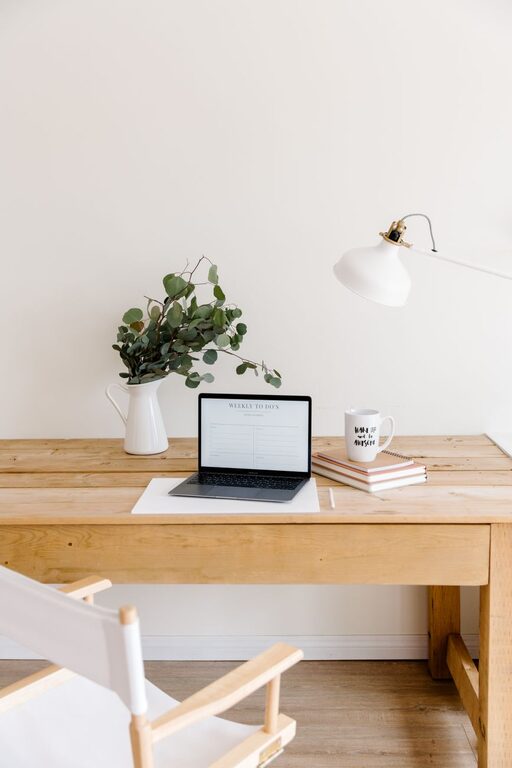
Creating a relaxing home workspace is more important than ever as many people balance their professional and personal lives under one roof. A calm and well-organized environment can boost productivity, reduce stress, and make your workday much more enjoyable. Whether you have a dedicated room or just a corner of your living space, these tips will help you design a workspace that feels both comfortable and inspiring.
1. Choose the Right Location
Consider Natural Light
Selecting a spot with plenty of natural light can improve your mood and reduce eye strain. Position your desk near a window if possible. If natural light is limited, invest in good quality, adjustable lighting that mimics daylight.
Minimize Noise and Distractions
Find a quiet area away from household traffic, noisy appliances, or busy rooms to help maintain focus. If unavoidable, consider noise-canceling headphones or a white noise machine to block out distractions.
2. Invest in Comfortable and Ergonomic Furniture
A Supportive Chair
A comfortable chair with good lumbar support is essential for long hours of work. Consider chairs with adjustable height, swivel features, and armrests to maintain proper posture.
Functional Desk Space
Choose a desk that fits your space and offers enough surface area for your computer, planner, and other essentials. Standing desks or height-adjustable desks can also promote better health by allowing you to change positions during the day.
3. Organize Your Space
Declutter Regularly
Keep only what you need on your desk to reduce visual distraction. Use drawers or organizers to store supplies such as pens, paper, and chargers.
Use Storage Solutions
Shelves, filing cabinets, or baskets can help keep paperwork and books tidy. Label storage bins for easy access to important documents, keeping your workspace neat and efficient.
4. Add Personal Touches Thoughtfully
Incorporate Plants
Indoor plants not only brighten your space but also improve air quality and create a calmer atmosphere. Choose easy-to-care-for options like succulents or snake plants.
Display Inspiring Items
Decorate with a few favorite photos, artwork, or motivational quotes that make you happy without overwhelming the space. Keep décor minimal to maintain a sense of calm.
5. Control Lighting and Temperature
Adjustable Lighting
In addition to natural light, use a desk lamp with adjustable brightness and color temperature to reduce eye fatigue during evening hours.
Comfortable Temperature
Maintain a pleasant temperature that suits you. Use fans, heaters, or open windows to create an environment where you feel comfortable and focused.
6. Manage Technology Wisely
Cable Management
Use cable clips, sleeves, or boxes to keep cords organized and out of sight. A tidy desk reduces stress and makes cleaning easier.
Use Quality Equipment
Invest in a good monitor, keyboard, and mouse that suit your work and comfort needs. Consider wireless options to reduce cable clutter.
7. Incorporate Relaxation Elements
Take Breaks
Schedule regular breaks to stretch, hydrate, or practice deep breathing. Short breaks can refresh your mind and prevent burnout.
Add a Soft Rug or Cushions
If your workspace has a hard floor, a soft rug can add warmth and coziness. Cushions or a footrest can provide additional comfort.
8. Keep Your Workspace Flexible
Multi-Use Furniture
Choose furniture that can adapt to different uses, such as a desk that doubles as a craft or reading area.
Plan for Movement
If space allows, set up a small area where you can stand or do light stretching exercises to stay active during the day.
—
Final Thoughts
A relaxing home workspace combines comfort, organization, and personal style to create a supportive environment for your work routine. By thoughtfully arranging your space and paying attention to your comfort and needs, you’ll find it easier to stay focused, motivated, and relaxed all day long.
Start with small changes and adjust as you go until your workspace truly feels like your personal zone for productivity and calm. Happy decorating!