
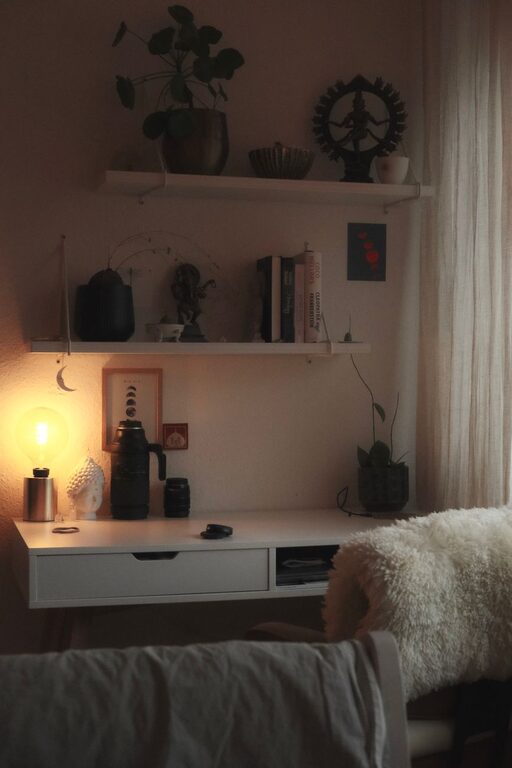
Creating a relaxing home office environment is key to maintaining focus, reducing stress, and boosting productivity. Whether you’re working remotely full-time or occasionally, your workspace should feel inviting and comfortable. Here are practical tips to help you design a home office that supports your well-being and work efficiency.
1. Choose the Right Location
Finding the ideal spot for your home office lays the foundation for a relaxing environment.
– Quiet Corner: Pick a space away from household noise and distractions.
– Natural Light: Position your desk near a window to benefit from daylight, which can improve mood and reduce eye strain.
– Dedicated Space: If possible, use a room or area solely for work to mentally separate work and personal life.
2. Invest in Comfortable Furniture
Your chair and desk play a big role in comfort and focus.
– Ergonomic Chair: Choose a chair that supports good posture with adjustable height and back support.
– Appropriate Desk: Ensure your desk is the right height and large enough for your work essentials without clutter.
– Foot Support: Consider a footrest if your feet don’t comfortably reach the floor.
3. Keep Your Space Organized
An organized office reduces stress and helps you find things quickly.
– Declutter Regularly: Clear your desk every day to maintain a tidy environment.
– Storage Solutions: Use shelves, drawers, or filing cabinets to keep documents and supplies out of sight.
– Cable Management: Tidy up cords with clips or sleeves to prevent tangles and distractions.
4. Add Calming Colors and Decor
Visual appeal can enhance your mood and concentration.
– Choose Soothing Colors: Soft blues, greens, and neutrals are known for their calming effects.
– Personal Touches: Add plants, artwork, or photos that make you feel happy and motivated.
– Minimalism: Avoid overcrowding your space with too many decorations.
5. Control Lighting Effectively
Good lighting reduces eye strain and creates a pleasant atmosphere.
– Natural Light First: Let in as much sunlight as possible.
– Task Lighting: Add adjustable lamps for focused work during darker hours.
– Avoid Glare: Position screens to minimize reflective glare from windows or lights.
6. Incorporate Nature and Fresh Air
Bringing elements of the outdoors inside can boost relaxation.
– Houseplants: Indoor plants improve air quality and add a touch of greenery.
– Open Windows: When possible, open windows to let fresh air circulate.
– Natural Materials: Use wood or stone accents to create a warm, natural feel.
7. Maintain a Comfortable Temperature
Temperature affects both comfort and productivity.
– Adjust Thermostat: Keep your workspace at a comfortable temperature, typically between 68–72°F (20–22°C).
– Use Fans or Heaters: Supplement your HVAC system with personal fans or heaters if needed.
– Breathable Fabrics: Choose fabrics for chair cushions or décor that help regulate temperature.
8. Minimize Noise Distractions
Sound control helps you focus and reduces stress.
– Noise-Canceling Headphones: Use headphones if you need to block out distractions.
– Soft Background Sounds: Consider white noise machines or calm music to mask disruptive noises.
– Soundproofing: Add rugs, curtains, or acoustic panels to absorb sound.
9. Establish a Routine
Creating patterns around your workspace encourages productivity and balance.
– Set Working Hours: Define start and end times to separate work and home life.
– Breaks Matter: Schedule short breaks to stretch or relax throughout your day.
– End-of-Day Ritual: Clear your desk and turn off your computer to signal the end of work.
10. Personalize Your Workspace Mindfully
Personal touches should enhance, not overwhelm, your office.
– Inspirational Quotes: Place motivating phrases in your line of sight.
– Functional Items: Choose stylish but useful items like planners, pens, or organizers.
– Rotate Items: Change décor seasonally to refresh your space and keep it inspiring.
—
Creating a relaxing home office doesn’t require a large budget or major renovations. Small changes focused on comfort, organization, and atmosphere can make a big difference in your workday experience. With the right setup, your home office can become a favorite room that supports your productivity and well-being.