
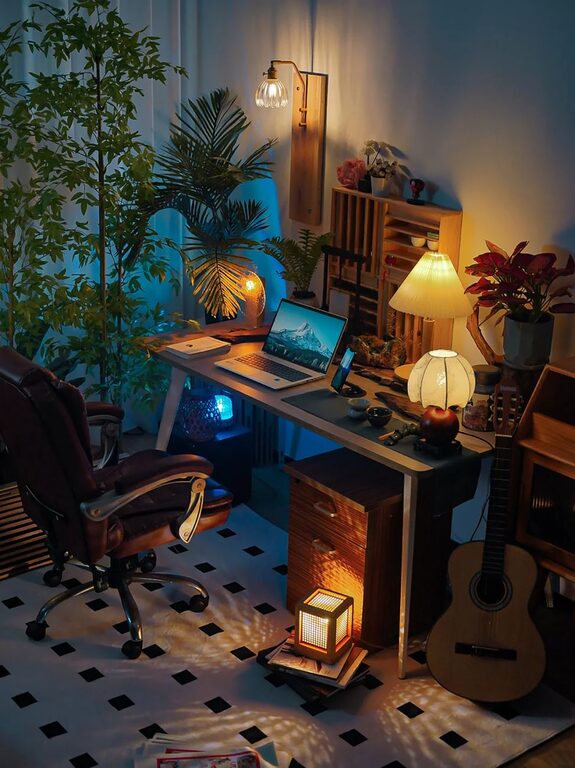
Creating a cozy and inviting home office space is essential for anyone looking to balance comfort with productivity. Whether you work from home full time or need a dedicated spot for occasional tasks, your workspace should inspire focus and calm. In this article, we’ll explore practical tips to help you design a home office that feels welcoming, organized, and personalized to your style.
Why a Cozy Home Office Matters
Your home office is more than just a desk and a chair. It’s a place where creativity flows, ideas come to life, and tasks get done. When your workspace feels comfortable and inviting, you’re more likely to stay motivated and enjoy your work. A cozy environment can reduce stress, improve concentration, and make long hours more manageable.
Choosing the Right Location
Find Natural Light
Start by selecting a spot that gets plenty of natural light. Natural light not only brightens the room but also has mood-boosting benefits. Position your desk near a window if possible, but avoid glare directly on your computer screen.
Consider Noise Levels
Think about the noise in your home. If you can, choose a quiet corner or a separate room where distractions are minimal. Using noise-canceling headphones or a white noise machine can help if you don’t have total control over sound.
Selecting Comfortable and Functional Furniture
Invest in a Quality Chair
Your chair is one of the most important elements. Look for an ergonomic chair that supports your back and allows you to sit comfortably for long periods. Adjustable height and lumbar support are key features.
Choose a Desk that Fits Your Needs
The desk should match your workflow. If you use multiple monitors or need space for paperwork, opt for a larger desk. If space is limited, a compact or wall-mounted desk can work well.
Add a Footrest or Cushions
Small additions like a footrest or seat cushions can enhance comfort. These accessories help improve posture and reduce fatigue during long work sessions.
Personalizing Your Workspace
Use Warm Colors and Textures
Incorporate warm colors like soft beige, muted greens, or gentle blues to create a calming environment. Adding soft textures with rugs, curtains, or throw blankets can also contribute to a cozy feel.
Add Plants
Plants are a wonderful way to bring life into your office. They improve air quality and add a touch of nature that promotes relaxation.
Display Personal Items
Include photos, artwork, or small décor pieces that inspire you. Personal touches make the space uniquely yours and encourage a positive mindset.
Organizing for Efficiency
Declutter Regularly
A cluttered desk can lead to a cluttered mind. Make a habit of tidying your workspace at the end of each day to maintain focus and order.
Use Storage Solutions
Invest in storage options like shelves, drawers, or baskets. Labeling containers or files can save time and reduce frustration when searching for documents.
Keep Essentials Within Reach
Arrange the items you use most often close by. This minimizes disruptions and increases productivity.
Enhancing Lighting
Combine Ambient and Task Lighting
In addition to natural light, use a mixture of lighting sources. Overhead lighting provides general illumination, while desk lamps offer focused brightness for reading or computer work.
Choose Soft Lighting
Avoid harsh fluorescent bulbs. Opt for warm LED lights or bulbs with adjustable brightness to reduce eye strain.
Creating a Relaxation Corner
Designate a Small Area for Breaks
Include a comfy chair or small couch where you can take short breaks. Having a separate spot to relax helps prevent burnout and refreshes your mind.
Add Books or Magazines
Keep a few books, magazines, or puzzles nearby for your break times. These can provide a welcome distraction and encourage mindfulness.
Maintaining Work-Life Balance
Set Boundaries
Clearly define your work hours and stick to them. Having a designated office space makes it easier to “leave” work at the end of the day.
Incorporate Movement
Try to stand, stretch, or walk around regularly. Consider a sit-stand desk or an anti-fatigue mat to support physical health while working.
Final Thoughts
Designing a cozy and inviting home office doesn’t require a complete makeover. Small changes that improve comfort, organization, and personalization can transform your space and daily work experience. By considering lighting, furniture, color, and layout, you’ll create a workspace where you feel motivated and relaxed — the perfect combination for productivity.
Remember, your home office should work for you. Don’t hesitate to experiment with different ideas until the space feels just right. Happy decorating!